When we started building ROVA AI, I thought the hardest part would be the technology.
Building the models. Connecting systems. Making AI agents work reliably. Getting voice conversations right.
But after working with businesses across different industries, I've started to believe something different.
The hardest part of AI isn't making AI work.
It's figuring out where AI should work.
And more importantly, how it should work inside a real business.
1. Don't start with AI. Start with the problem.
One of the most common questions businesses ask is:
“Where can we use AI?”
I think the better question is:
“What outcome are we trying to improve?”
Is it faster customer response? More conversions? Better follow-up? Lower operational workload? Higher customer retention?
Once the outcome is clear, the role of AI becomes much easier to define.
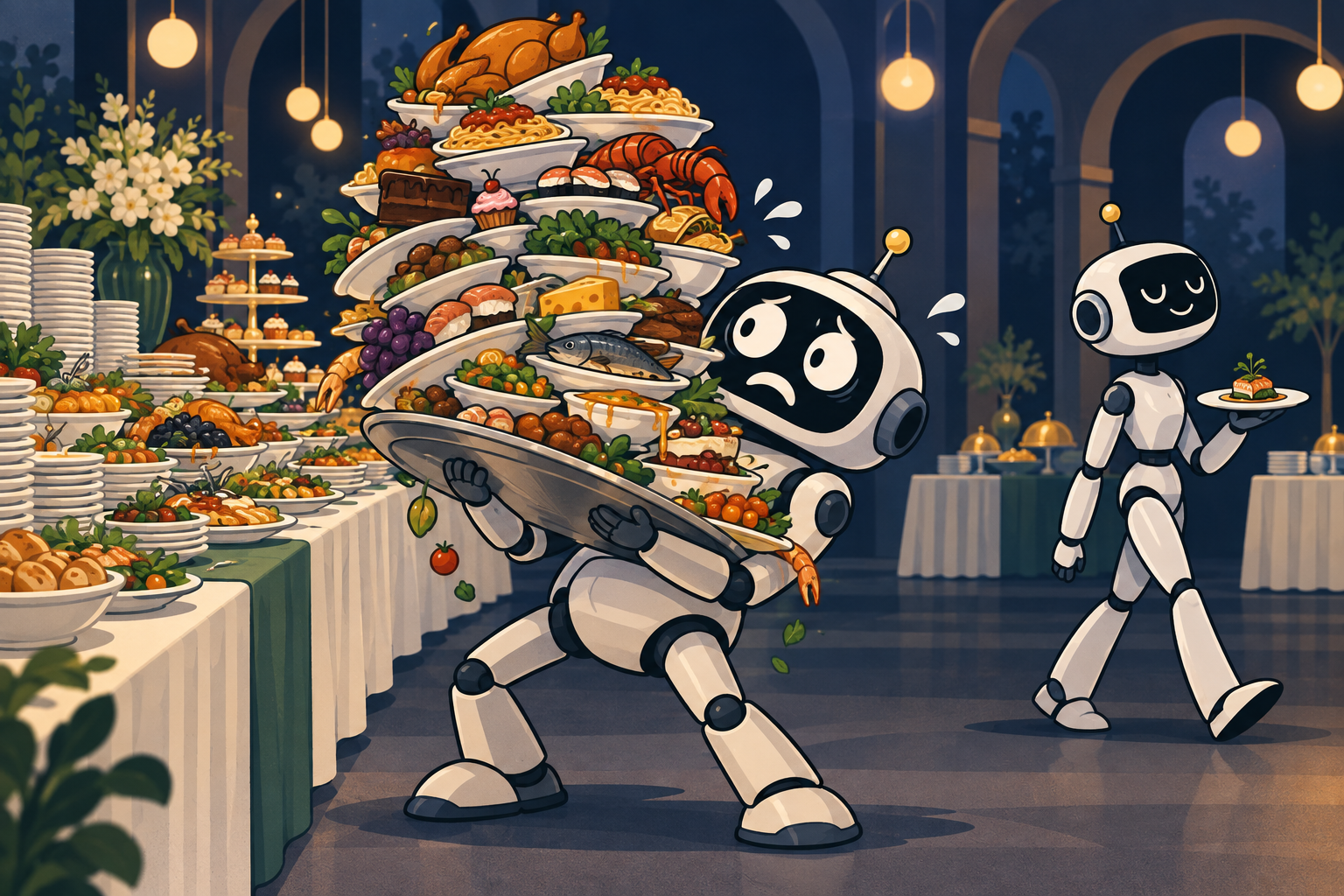
Otherwise, it's very easy to end up automating something simply because AI can automate it.
2. Automation is only the beginning.
We've moved quickly from AI Assistants to AI Agents.
An Assistant helps you think.
An Agent can execute tasks.
But I think we're now moving toward something much bigger:
AI Employees.
AI that doesn't just wait for instructions, but can understand a goal, use context, take actions, follow business rules and know when to involve a human.
That's a fundamental shift in how we think about software.
We're not just building tools anymore.
We're beginning to build digital workers.
3. Intelligence without context has limits.
This is probably one of the biggest lessons I've learned.
A customer doesn't think in isolated conversations.
They think:
“You already know me.”
They don't want to explain their history every time they call, message or interact with a business.
The same is true inside an organization.
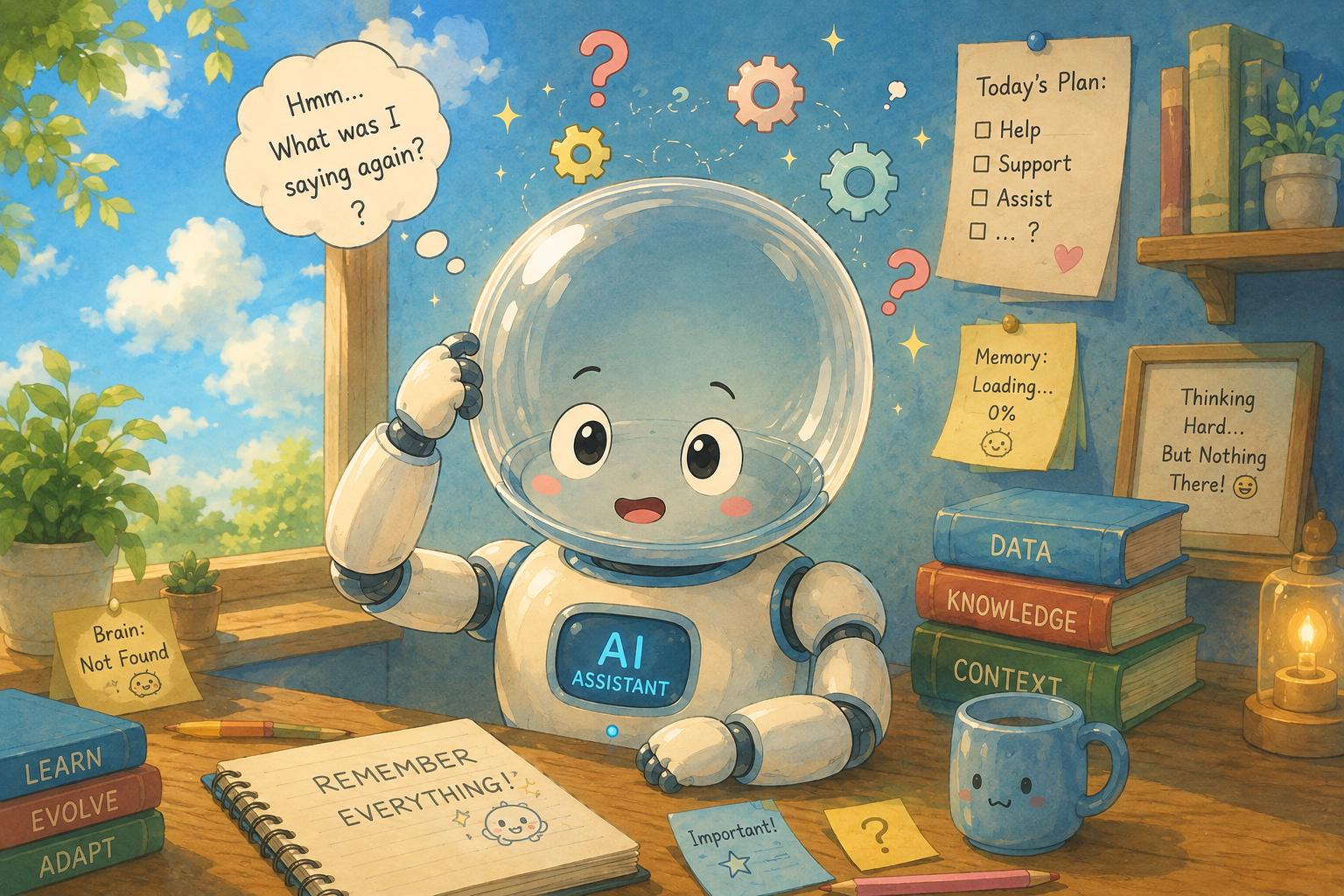
AI needs access to the right customer context, previous interactions, business knowledge and rules to make good decisions.
That's one of the reasons we started building ROVA Cortex — Enterprise Memory for AI.
Because making AI smarter isn't always about giving it a bigger brain.
Sometimes, it needs a better memory.
4. Don't automate humans. Redesign the work.
I've also become more cautious about the phrase:
“AI will replace humans.”
In many real workflows, the better question is:
“What should AI own? What should humans own? And where should they work together?”
AI is very good at repetitive, high-volume and predictable work.
Humans are still incredibly valuable when judgment, empathy, relationships, negotiation or complex decisions are involved.
The goal isn't necessarily fewer people.
It's better-designed work.
5. Sometimes humans really are better.
This one is particularly important.
Recently, a prospect told us that their human agents were performing significantly better than the Voice AI they had built themselves.
Their response was to start hiring more human agents.
My first reaction wasn't:
“We can build a better AI.”
It was:
“Better at what?”
Because “AI isn't working” isn't really a diagnosis.
We need to understand why.
Is the AI reaching fewer customers? Capturing less useful feedback? Struggling with objections? Missing context? Using the wrong conversation design?
Or is this simply a use case where humans are genuinely better?
I'm perfectly comfortable with the last answer.
The goal isn't to automate everything.
The goal is to achieve the best outcome.
6. Customer experience is becoming the real differentiator.
As technology becomes more accessible, products and features become easier to copy.
AI makes that trend even faster.
So I increasingly believe that customer experience will become one of the strongest competitive advantages businesses have.
How quickly did you respond? Did you understand the customer? Did they have to repeat themselves? Did you follow through? Did you solve the problem?
AI can dramatically change the economics of delivering that experience.
But there's a catch.
Bad AI creates bad customer experience.
And when AI represents your brand, customers don't blame the AI.
They blame you.
7. The best product ideas don't always come from the roadmap.
Some of the most interesting things we've built at ROVA didn't start as product ideas.
They started with customers telling us:
“This is how we actually work.”
Sometimes that reveals a constraint. Sometimes a completely different workflow. And sometimes a problem you didn't know existed.
One example was a healthcare workflow where staff needed to capture information while their hands were occupied. That customer feedback eventually led us to explore voice-based, hands-free interaction.
The lesson stayed with me:
Customers don't always tell you what product to build.
Sometimes they show you what problem is worth solving.
So, what am I learning?
Perhaps the biggest lesson is this:
The AI revolution isn't about putting AI everywhere.
It's about rethinking how work gets done.
Which tasks should AI handle? Which decisions should it make? What context does it need? What outcomes can it own? Where should humans remain involved?
And ultimately:
Does it make the experience better for the customer?
That's how I increasingly think about building ROVA.
Not:
“Where can we add AI?”
But:
“How can we redesign this experience with AI?”
Because the winners won't necessarily be the companies using the most AI.
They'll be the companies using AI in the right places, with the right context, to create better outcomes.
And honestly, we're still learning what those places are.
That's what makes building in AI so exciting right now.