Voice AI in Healthcare Emergencies: How Intelligent Response Systems Are Helping Save Lives
The High Stakes of Emergency Response
In healthcare, every second matters. A delay of even a few moments can significantly impact patient outcomes, especially during medical emergencies where rapid intervention is critical.
Emergency call centers, hospital hotlines, and healthcare support teams operate under immense pressure. They must manage high call volumes, respond to unexpected surges during public health crises, and address ongoing shortages of trained personnel.
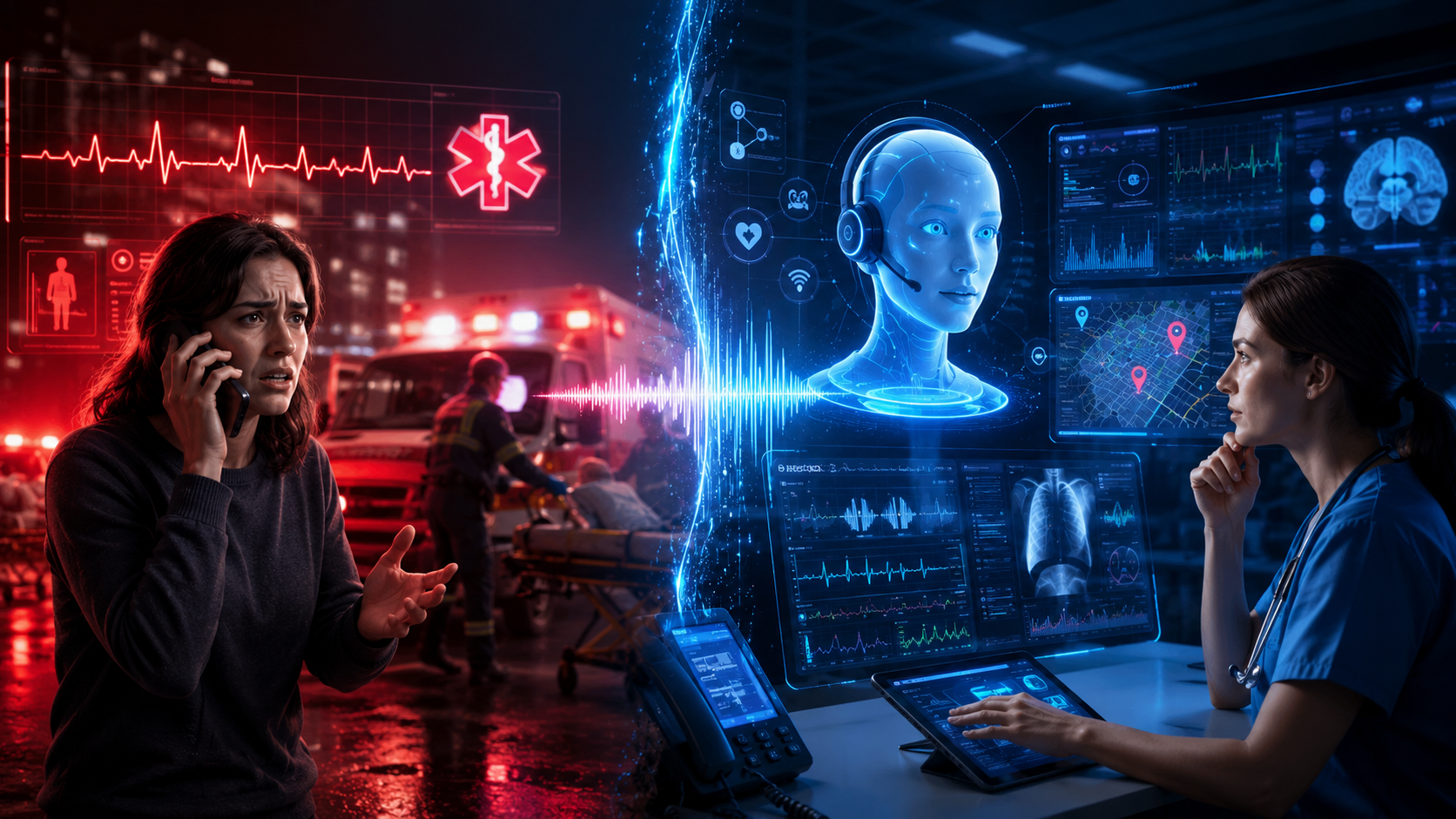
As Voice AI continues to evolve, its role is expanding far beyond appointment scheduling and administrative support. Today's intelligent voice agents are being deployed in some of the most critical environments imaginable—helping healthcare organizations improve emergency response, accelerate triage, and ensure patients receive timely care when they need it most.
How Rova AI Transforms Critical Care and Emergency Response
Healthcare emergencies demand accuracy, speed, and reliability. Generic chatbots and scripted systems are not equipped to handle these high-pressure situations.
Rova AI delivers specialized Voice AI solutions designed specifically for healthcare environments, combining advanced conversational intelligence, real-time analytics, and seamless system integrations.
Zero Hold Times for Emergency Calls
When a patient or caregiver reaches out during a medical emergency, waiting on hold is not an option.
Rova AI's intelligent voice agents answer calls immediately, ensuring that critical interactions begin without delay. From the first moment of contact, the system can collect essential information such as:
- Patient age and demographics
- Current symptoms and medical concerns
- Caller location
- Urgency indicators
By gathering preliminary information instantly, healthcare providers can begin life-saving processes while reducing bottlenecks in emergency communication workflows.
Intelligent Triage Powered by Real-Time Analytics
Rapid assessment is one of the most important components of emergency response.
Using advanced natural language understanding, Rova AI can analyze conversations in real time to evaluate the severity of a medical situation. The system listens for critical symptoms, urgency signals, and key medical phrases such as:
- Chest pain
- Difficulty breathing
- Loss of consciousness
- Severe bleeding
- Stroke-related symptoms
Simultaneously, Rova AI's analytics engine monitors caller sentiment and stress levels, helping identify situations where panic or distress may indicate elevated urgency.
Once the system determines the severity level, it can immediately prioritize and route critical cases to paramedics, emergency department staff, or healthcare professionals while providing a live transcript and summary of the conversation.
This allows medical teams to enter the interaction with valuable context already in hand.
Seamless Healthcare System Integration
Effective emergency response requires immediate access to accurate patient information and operational systems.
Rova AI is custom-engineered to integrate directly with:
- Hospital databases
- Electronic Health Records (EHR)
- Emergency dispatch systems
- Care coordination platforms
- Patient management software
These integrations enable voice agents to retrieve relevant medical history, allergy information, and patient records while simultaneously sharing critical updates with healthcare teams and dispatch personnel.
The result is a connected ecosystem where information flows seamlessly between patients, AI systems, and medical professionals
.
Enhancing Human Expertise, Not Replacing It
Voice AI is not designed to replace healthcare professionals. Instead, it acts as a force multiplier that enables doctors, nurses, dispatchers, and emergency responders to work more efficiently.
By automating information gathering, prioritizing urgent cases, and streamlining communication workflows, healthcare teams can focus their attention where it matters most—delivering patient care.
Conclusion: A Lifeline Powered by Intelligence
The future of emergency healthcare communication is being shaped by intelligent Voice AI systems that combine speed, accuracy, and seamless coordination.
With Rova AI's customized voice agents, real-time analytics, and healthcare-specific integrations, organizations can reduce response times, optimize dispatcher workloads, and improve emergency call handling at scale.
When every second counts, intelligent Voice AI becomes more than a technology solution—it becomes a critical tool that helps ensure no emergency call goes unanswered and no patient is left waiting when help is needed most.